BGA Inspector Information
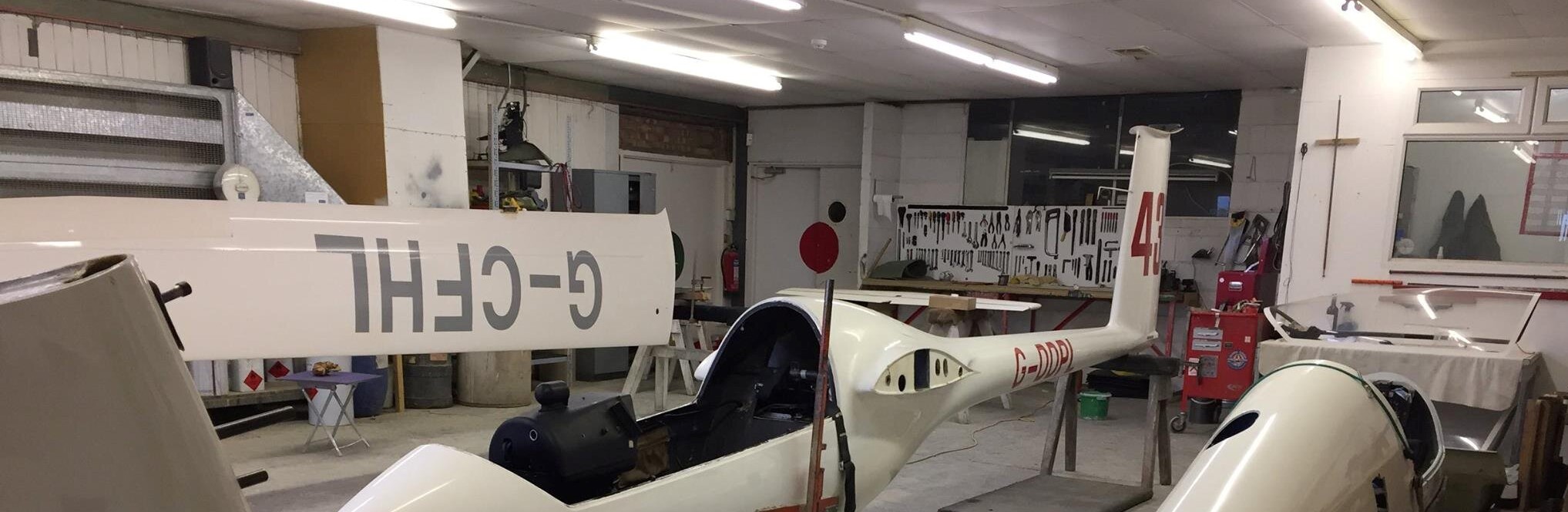
BGA inspectors are a highly valued and important part of UK gliding. Their maintenance experience and skills are regularly relied on by gliding clubs and private owners.
BGA authorised inspectors are required to understand and comply with the applicable airworthiness and maintenance requirements, including the BGA Airworthiness Exposition and the AMP.
Maintenance outside the scope of ‘Pilot/Owner Maintenance’ that is carried out on an aircraft that is under the control of the BGA airworthiness system is to be released to service by an appropriately authorized BGA Inspector.
Responsibility
The owner is responsible for the airworthiness of their aircraft. As described in the BGA Airworthiness Exposition, other than ‘Pilot/Owner Maintenance’, maintenance carried out on aircraft under the control of the BGA airworthiness system is to be certified by an appropriately authorised BGA Inspector.
Any certification by a BGA inspector on behalf of the BGA airworthiness system must be in compliance with the BGA’s published requirements. The inspector is responsible for the standard of their work and for associated compliance with the published requirements.
Becoming a BGA Inspector
Here’s our guidance on how to become an inspector
As you would expect, a BGA inspector requires a level of relevant knowledge and experience:
BGA inspector experience example
BGA inspector experience assessment
Please note that a BGA inspector does not need to hold a Part66L licence unless the inspector chooses to certify Part21 sailplanes and powered sailplanes. However, the experience gained in qualifying as a BGA inspector of course counts towards the qualifying experience for a Part66L licence. Read more about Part66L here.
BGA inspector rating application form – please note that the completed application form MUST be submitted to the BGA office by post or email office@gliding.co.uk
Insurance
The BGA insures the BGA airworthiness organisation. BGA inspectors who operate commercially are advised to hold appropriate commercial insurance. An insurance broker can advise.
Operating costs
Inspectors are advised to at least cover their ‘out of pocket’ expenses (including addition or renewal of qualification/licence) through charges made for their work or through an arrangement with the gliding club that they support.
Standards, conduct and BGA policies
Good quality work including compliance with the relevant requirements is a fundamental element of airworthiness. All inspectors are encouraged to maintain high standards. Non-compliance is normally identified through the quality system. Using ‘just culture’ principles, where the aim is to learn and improve rather than blame, the BGA welcomes reporting of evidence of non-compliance or poor standards. The BGA does not get involved with commercial or contractual matters between owners and inspectors.
Where non-compliance or an unacceptable standard of work has been identified, the BGA priorities are to ensure the safety of any aircraft involved, and to offer support and guidance within measures taken to ensure compliance and appropriate standards.
Inappropriate or discriminatory conduct, which includes bullying, racist, homophobic, sexist or other inappropriate comment, banter or action is unacceptable. Please refer to the BGA policies.
Part-66L
UK continuing airworthiness regulation requires BGA inspectors to hold a Part66L licence with the correct category in order to certify Part-21 sailplanes, powered sailplanes, TMGs and aeroplanes. A UK Part 66L licence is valid for 5 years from the date of issue. A Part66L licence is not required to certify non-Part 21 sailplanes or for a BGA inspector authorisation to be issued.
Please follow this link to our Part-66L information webpage.
Inspector FAQs
I want to take Part66L exams – how do I organise that? See ‘Theoretical Knowledge testing’ here.
I need to develop my maintenance experience to obtain a BGA inspector authorisation and Part66L licence. How can I do that? See ‘Qualifying for a Part66L Licence’ here.
I want to become an inspector but I think it may cost too much. Instructors can get financial support. What help can I get? It doesn’t have to cost very much at all to become a BGA inspector. However, Part66L qualification includes the cost of taking each exam (payable to the CAA). Obtaining the necessary experience for Part66L qualification can incur costs. And there is the cost of the licence (again payable to the CAA). Your club may be able to help, providing that you agree to help to maintain the club fleet. Other funding sources are being explored for those who need the support. Any funding opportunities will be well publicised – make sure you are subscribed to the BGA newsletter and S&G.